
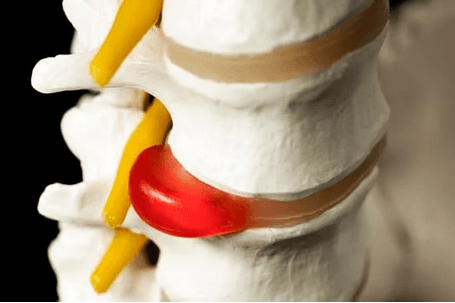
A herniated disc is a common problem affecting the spine. It occurs when the disc between the vertebrae slips, leading to pressure on the surrounding nerves. This condition can cause severe back and limb pain. In this article, we will discuss herniated disc surgery, treatment methods, surgery costs, and important tips for patients with a herniated disc.
Cost of Minimally Invasive Herniated Disc Surgery
The cost of minimally invasive herniated disc surgery varies based on factors such as the surgeon's experience and the hospital where the procedure is performed. Generally, minimally invasive surgery may be more expensive than traditional surgery due to the use of advanced techniques but offers significant benefits such as reduced recovery time and fewer complications.
What is Herniated Disc Surgery?
Herniated disc surgery is a procedure aimed at removing the slipped or damaged part of the disc to relieve pressure on the nerves. This can be done using various techniques, such as traditional surgery or minimally invasive surgery, which involves small incisions and precise instruments. Minimally invasive surgery is characterized by less pain and a faster recovery time compared to traditional surgery.
Is Herniated Disc Surgery Dangerous?
Despite general concerns about surgeries, herniated disc surgery is relatively safe. The success rate of the procedure is high when the appropriate method is chosen and performed by a specialized surgeon. In rare cases, complications such as infections or nerve damage may occur, but these are very uncommon.
Is Walking Beneficial for Herniated Discs?
Walking is a simple exercise that can be beneficial for individuals with a herniated disc. It promotes circulation and helps strengthen the muscles around the spine, which may alleviate pain and improve mobility. However, patients should consult their doctor before starting any physical activity to ensure it does not worsen their condition.
Tips for Herniated Disc Patients
- Avoid lifting heavy weights.
- Regularly perform exercises recommended by your doctor.
- Use supportive pillows while sitting or sleeping to reduce pressure on the spine.
- Avoid sitting for long periods and take regular breaks.
Success Rate of Herniated Disc Surgery
The success rate of herniated disc surgery is very high, reaching up to 90% in many cases. Success depends on factors such as the extent of the herniation, the surgeon's expertise, and the patient’s adherence to post-surgery advice.
Non-Surgical Treatment for Herniated Discs
Several methods can treat herniated discs without surgery, including:
- Physical therapy: Involves exercises to strengthen muscles and stretch the spine.
- Medication: Using pain relievers or anti-inflammatory drugs to alleviate symptoms.
- Injections: Steroid injections to reduce inflammation around the nerves.
Can a Herniated Disc Heal?
In many cases, a herniated disc can heal with time and appropriate treatment. Recovery time can range from a few weeks to several months, depending on the severity of the condition and the body’s response to treatment.
Physical Therapy for Herniated Discs
Physical therapy is an essential part of the treatment plan for herniated discs, whether before or after surgery. It includes exercises to stretch and strengthen the muscles around the spine, improving posture and reducing pressure on the nerves. Additionally, physical therapy helps in enhancing body movement and reducing pain.
Herniated disc surgery is considered a safe and effective procedure when non-surgical treatments fail. Patients should consult with a specialized surgeon to determine the best option for their condition. Ongoing medical follow-up and physical therapy are crucial for enhancing recovery and ensuring long-term success.